At a glance
Areas we cover: downtown Main Street, West Keene, the Keene State College area, North Keene.
Storm history: In October 2005 days of heavy rain sent the Ashuelot River and local brooks over their banks, flooding parts of Keene and much of the surrounding Monadnock Region.
- Flash flooding
- Ice dams
- Roof snow load
- Falling trees
- Burst pipes
The Ashuelot and the October 2005 flood
Keene sits in a broad valley where the Ashuelot River winds through town. In October 2005, days of heavy rain overwhelmed rivers and brooks across the region, flooding streets, basements and businesses in Keene and nearby towns. Many people found out then that their homeowners policies treated water in very different ways depending on where it came from.
That lesson still matters. Most homeowners policies exclude surface-water flooding; flood coverage usually comes from a separate policy. But water that gets in through a storm-damaged roof, a burst pipe or, with the right endorsement, a sewer backup is a different matter. Before arguing about price, confirm the source and the coverage.
Main Street buildings and their roofs
Downtown Keene is a long run of 19th-century brick commercial blocks with apartments and offices upstairs. Their roofs tend to be flat or low-slope, hidden behind parapets, and they collect snow. Heavy winters bring roof-load worries, membrane damage and leaks into upper-floor units. Estimates on these buildings often miss:
- Saturated insulation and decking beneath the membrane.
- Parapet flashing and coping repairs.
- Interior damage across several tenant spaces.
- Access, staging and snow removal before work can start.
Our commercial appraisal page explains how we approach multi-tenant buildings.
Old houses, student rentals
West Keene and the streets around Keene State College hold a lot of older wood-frame houses, many converted to student apartments. Rental properties raise their own issues: landlord policies may differ from standard homeowners coverage, vacancy over the summer or winter break can affect freeze claims, and loss-of-rents coverage depends on the policy. If you own one of these buildings, read the policy for the vacancy and heat-maintenance language before winter.
Ice dams on complicated rooflines
Many older Keene houses have additions, dormers and valleys that trap snow. Ice dams back meltwater under shingles and into walls. Insurers sometimes describe the result as wear or long-term leakage. Clear timelines and photos help. See ice-dam appraisal.
The 2005 flood also left a practical lesson about documentation. People who photographed water lines, kept samples of flooring and listed damaged contents room by room had an easier time showing what was lost. The same habits help with any Keene water claim today, whether the source is a river, a roof or a pipe in an exterior wall.
Trees and the Monadnock woods
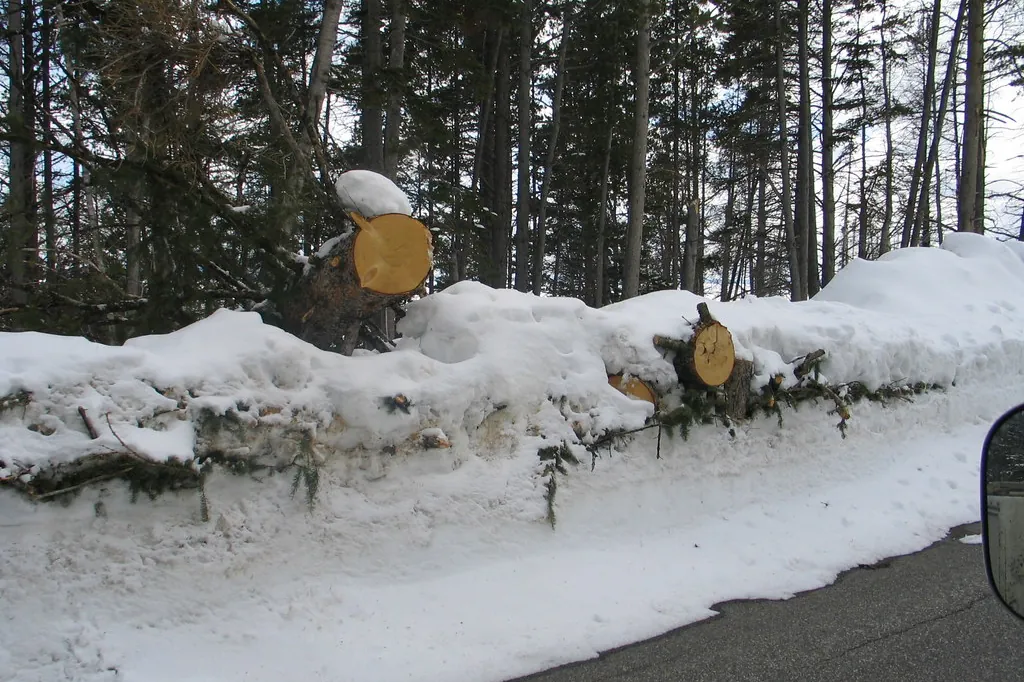
The Monadnock Region is heavily forested, and Keene neighborhoods have big trees close to houses. Wind, wet snow and ice bring limbs onto roofs, and the claim includes structural work, tree removal and interior repairs that are often priced separately and too low. See falling-tree appraisal.
New Hampshire Insurance Appraiser serves Keene and the Monadnock Region. Learn how appraisal works or contact us.
Appraisal help available in Keene
Every New Hampshire Insurance Appraiser service is available in Keene and the surrounding towns, including:
- Policyholder’s Appraiser on the Panel
- Single-Family Home Claims
- Condo, Association & Business Claims
- Roof Damage & Hail Disputes
- Microburst & Windstorm Losses
- Tropical Remnants & Coastal Storms
Asked by Keene owners
Does my homeowners policy cover flooding from the Ashuelot?
Most homeowners policies exclude flood. Flood coverage usually comes from a separate policy. Water from a burst pipe or storm-damaged roof may still be covered under your homeowners policy.
I rent my Keene house to students. Does my policy cover a summer freeze-up?
Possibly not, if the house was vacant and unheated. Many policies have conditions about maintaining heat or draining systems. Read yours closely before the house sits empty.