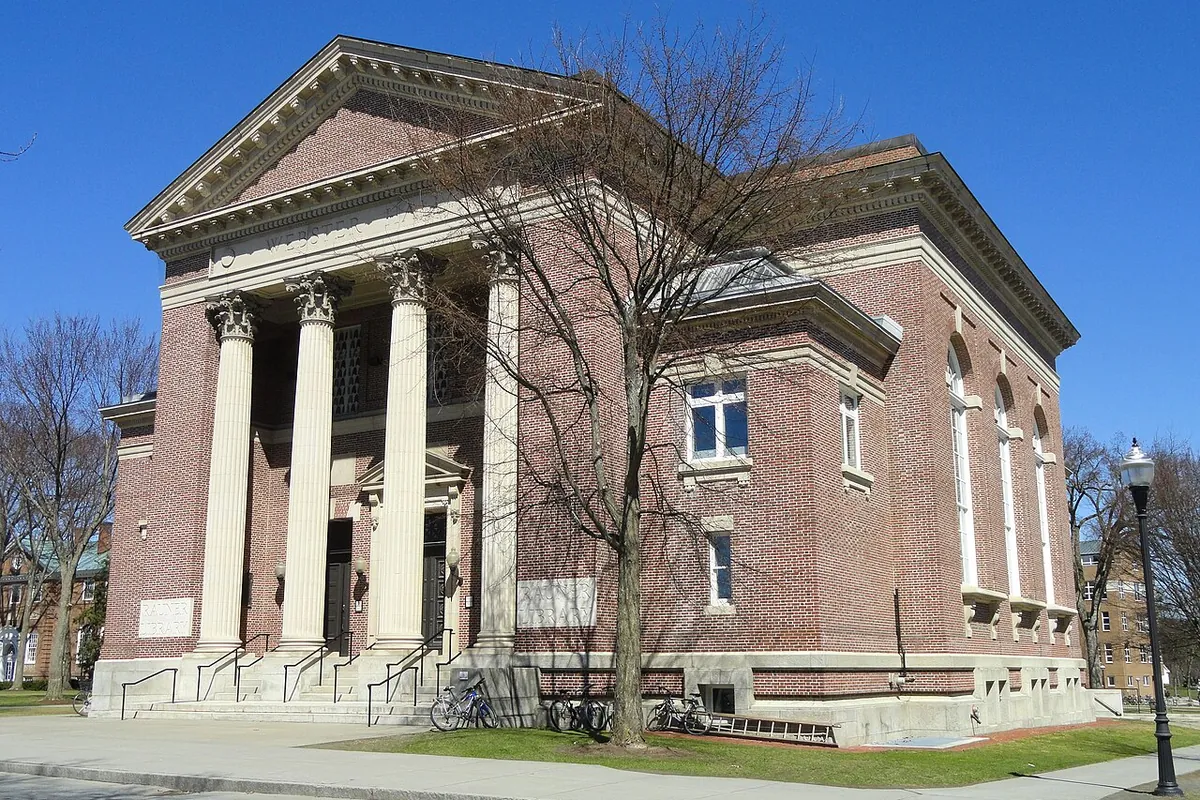
At a glance
Areas we cover: West Lebanon, downtown Lebanon, Hanover village, Etna, the Dartmouth College area.
Storm history: Tropical Storm Irene in August 2011 sent floodwater through river valleys on both sides of the Connecticut, and Upper Valley communities spent months repairing roads, basements and homes.
- Ice dams
- River flooding
- Frozen pipes
- Falling trees
- Chimney fires
Two communities, one valley
Lebanon is a small city with a downtown around Colburn Park and a commercial hub in West Lebanon along the Connecticut River. Hanover is a town built around Dartmouth College, with Etna as its quiet rural village to the east. Between them, the Upper Valley has a tight housing market: older homes divided into apartments, condos and townhouses, newer single-family neighborhoods and houses on wooded back roads.
Lots of people here are landlords, tenants or condo owners, and that changes how claims work.
College-town rentals
In Hanover and parts of Lebanon, many older houses are rented to students or hospital staff. Rental policies – often a landlord or dwelling form rather than a standard homeowners policy – have their own coverage terms. A few points to check:
- Loss of rents. Some policies pay lost rental income while a unit is uninhabitable. Others don’t.
- Vacancy. Empty units over breaks or between leases can affect freeze and vandalism coverage.
- Tenant belongings. Usually covered by the tenant’s own renters policy, not yours.
When a pipe bursts in a multi-unit rental, the estimate has to cover every unit affected and the time the property can’t be rented. Our homeowners and dwelling appraisal page goes into the basics.
Condos and associations
The Upper Valley has many condominium and townhouse communities. Ice dams on shared roofs, water moving between units and storm damage to common siding all raise the same question: which policy pays? Usually the association’s master policy handles common elements, and each owner’s unit policy covers interior improvements and personal property. Read the declarations and bylaws alongside both policies. When the association and its carrier agree on coverage but not cost, appraisal can resolve the number. See HOA appraisal.
The rivers and the weather
The Connecticut and Mascoma rivers both run through the area, and heavy rain can flood low ground fast. Most homeowners policies exclude flood; that takes a separate policy. Winter is the bigger everyday risk: cold snaps, ice dams on older roofs and woodstove or chimney fires in houses that still burn wood. Insurers sometimes argue that ice-dam damage is long-term leakage or that smoke cleanup is complete after a first pass. See ice-dam appraisal and fire and smoke appraisal.
Many Hanover and Etna homes are older Capes and farmhouses with wood floors, plaster walls and big chimneys. Repairing them often means sourcing matching materials and hiring trades who know old construction. Insurers sometimes write estimates as though the house were built last decade. If the replacement-cost provisions of your policy apply, the cost of restoring like kind and quality is an amount-of-loss question.
Working with us in the Upper Valley
New Hampshire Insurance Appraiser serves Lebanon, Hanover and nearby Upper Valley towns. We review estimates, represent policyholders in appraisal and serve as umpire. We don’t give legal advice. Read how appraisal works or contact us.
Appraisal help available in Lebanon & Hanover
Every New Hampshire Insurance Appraiser service is available in Lebanon & Hanover and the surrounding towns, including:
- Policyholder’s Appraiser on the Panel
- Single-Family Home Claims
- Condo, Association & Business Claims
- Roof Damage & Hail Disputes
- Microburst & Windstorm Losses
- Tropical Remnants & Coastal Storms
Asked by Lebanon & Hanover owners
I rent a house to students in Hanover. Does my policy cover lost rent after a fire?
Only if your policy includes fair rental value or loss-of-rents coverage. Many landlord policies do; check your declarations page.
Our condo association and my unit both had damage from an ice dam. Who files?
Often both. The association typically claims for common elements under the master policy, and you claim for your unit’s interior and belongings under your own policy. The governing documents decide the split.