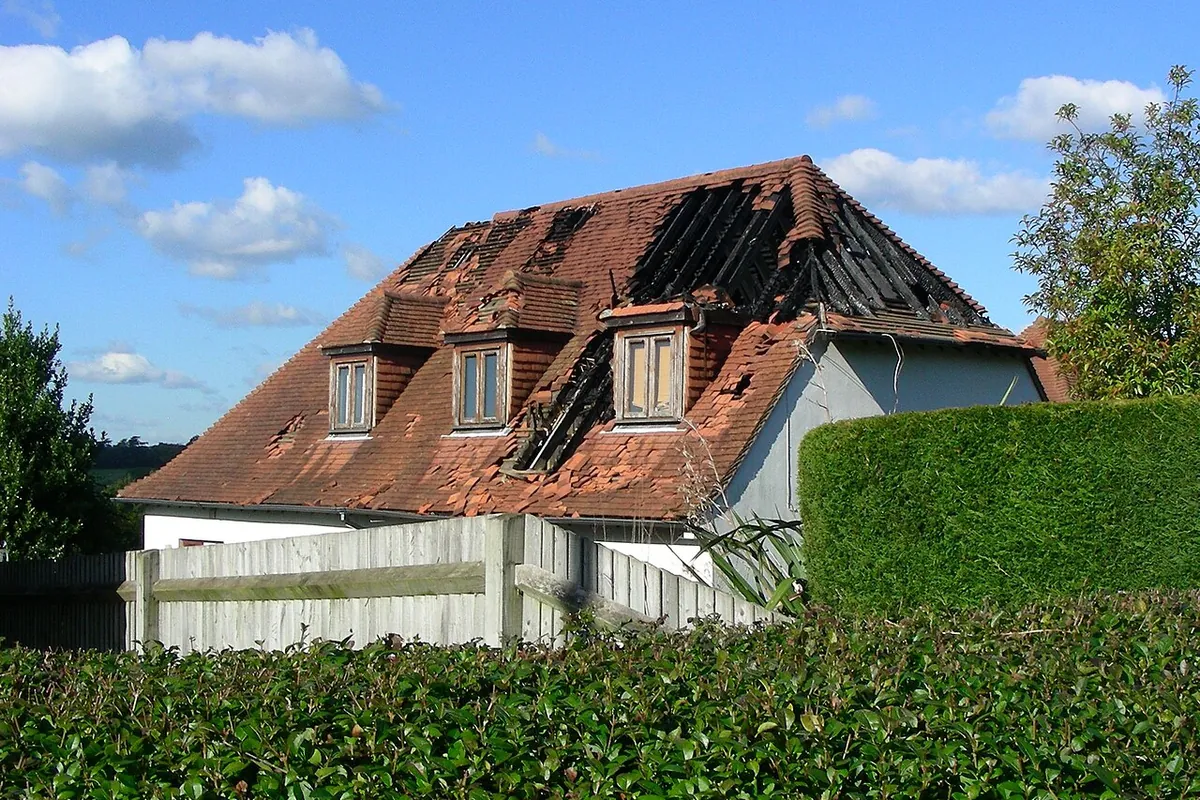
Woodstoves, chimneys and older wiring
A large share of New Hampshire homes are heated, at least partly, by wood, pellets, oil or propane. Woodstoves in Sullivan County farmhouses, pellet inserts in Concord capes and oil boilers in Manchester triple-deckers all keep people warm through long winters — and all carry fire risk. Creosote buildup in a flue, a cracked clay liner or an ash bucket left on a porch can start a fire. Older homes may also have aged wiring that wasn’t designed for today’s loads.
Fire departments across the state, from Berlin to Keene, respond to chimney fires every heating season. Many are contained in the flue. Even those can damage the liner, the masonry and the framing around it.
Smoke goes further than the tape measure
Smoke and soot travel through ductwork, wall cavities and gaps around outlets. A small fire in a basement can leave residue in an upstairs closet. First estimates often limit cleaning or repainting to the room where the fire started.
- HVAC systems — ducts and air handlers can circulate soot through the whole house.
- Insulation — attic and wall insulation can absorb odor and may need replacement rather than cleaning.
- Porous surfaces — unfinished wood, plaster and textiles hold smoke odor.
- Sealing and repainting — odor-blocking primer before paint is standard practice, not an upgrade.
- Electronics — corrosive soot can damage devices that look fine.
Cleaning versus replacing
Carriers often prefer to clean; owners often want to replace. The right answer depends on the material and the residue. Protein smoke from a kitchen fire behaves differently from wood smoke from a chimney. We document testing, cleaning attempts and results so the panel decides on evidence, not opinion.
Contents: the inventory nobody wants to write
After a serious fire, the contents list can be the hardest part. It means recalling everything in a room, often with no receipts. We help organize the inventory by room, research replacement costs, and apply depreciation the way the policy describes rather than by a blanket percentage. Replacement-cost contents coverage usually pays depreciation only after items are replaced, so tracking purchases matters.
Code upgrades in an older building
Rebuilding after a fire often triggers code requirements that didn’t exist when the house was built: new electrical service, smoke and carbon monoxide detectors, egress windows, stair dimensions, insulation levels. Ordinance-or-law coverage — sometimes a separate limit, sometimes a percentage of the dwelling limit — may pay for these. We identify each code item, tie it to the local requirement and price it separately, so the panel can see what falls under which coverage.
Living elsewhere during the rebuild
Additional living expense pays reasonable extra costs while your home is unlivable. In a tight rental market like Portsmouth, Hanover or Lebanon, finding a comparable short-term rental can cost more than carriers expect. The length of the rebuild drives this, and a realistic construction schedule is part of the valuation. Some policies cap ALE in time or dollars; check yours.
For commercial fires in mill buildings or mixed-use blocks, see our commercial and HOA appraisal services.
What owners ask about this
Is a chimney fire covered if the chimney was dirty?
Many policies cover sudden fire damage even when maintenance was imperfect, but some insurers raise wear-and-tear or neglect arguments. The exact wording and facts matter; consult an attorney if coverage is disputed.
Can I choose my own restoration company?
Usually yes. Insurers may recommend vendors, but you are generally free to choose a qualified contractor. Get the scope in writing before work begins.
How long do I have to file a contents inventory?
Policies often require a proof of loss within a set period after the insurer asks for one. Read your policy, ask the carrier for the deadline in writing and request extensions in writing if needed.