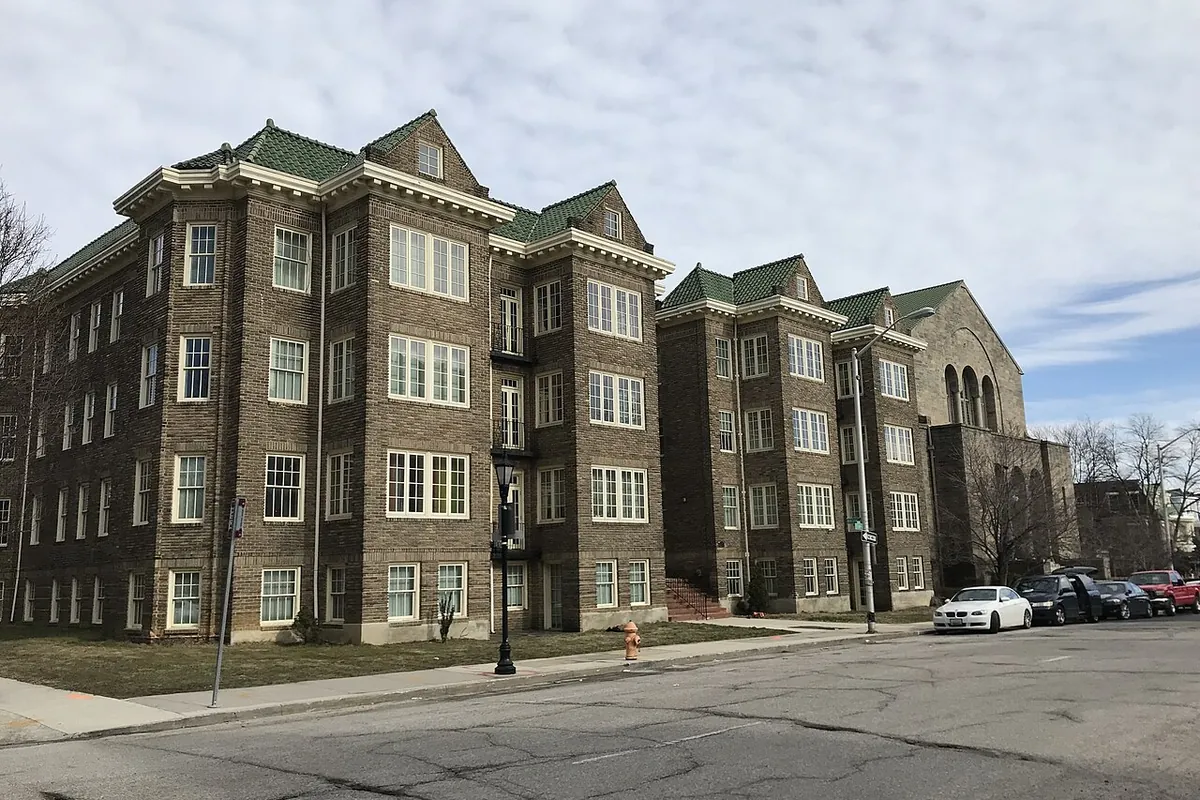
Brick, timber and shared walls
New Hampshire’s commercial building stock has character, and character is expensive to estimate. The Manchester Millyard, Dover’s Cocheco Mills and Nashua’s Millyard hold hundreds of thousands of square feet of 19th-century brick wrapped around heavy timber, now carved into offices, lofts and labs. Concord and Keene have main streets full of mixed-use blocks with apartments over shops. Manchester’s West Side and Nashua’s Tree Streets are thick with triple-deckers owned by small landlords. North Conway, Lincoln and Waterville Valley add ski condos and timeshares, where one roof can cover dozens of owners.
Every one of these buildings raises questions a residential estimating approach doesn’t answer well.
Master policy, unit policy and the gaps between
Condominium and association claims turn on documents beyond the insurance policy. The declaration and bylaws decide which elements the association insures and which belong to unit owners. A burst pipe in a Lebanon condo can land on the master policy for the drywall and on the owner’s HO-6 for upgraded cabinets — or the other way around, depending on how the documents read.
- We read the governing documents alongside the master policy before scoping anything.
- We separate common-element and unit-owner items in the estimate so each carrier sees its share.
- We flag where the master policy deductible will be allocated, since many associations pass it through to owners.
The estimating problems that show up in larger buildings
Historic and masonry work
Repointing with the right mortar, salvaging old-growth timber, and matching period windows in a mill building are specialty trades. Carriers sometimes price them as generic masonry or replacement vinyl.
Access and logistics
Lifts, scaffolding, street-closure permits on Elm Street, crane time, and winter conditions all cost money. When an estimate prices a four-story roof as if it were a ranch, the general conditions are usually missing.
Code and life safety
Fire alarm, sprinkler and egress requirements often apply once work passes a certain threshold. Whether ordinance-or-law coverage pays for them depends on the policy.
Shared walls add another wrinkle. In a row of attached units or a converted mill, smoke, water and structural damage rarely respect unit boundaries, and the estimate needs to follow the damage rather than the floor plan.
Business income and the calendar
For owners of storefronts, restaurants and rental buildings, lost income can rival the physical damage. Many commercial forms limit the period of restoration to the time it should reasonably take to repair — which makes the construction schedule a valuation question in its own right. A carrier schedule that assumes a contractor can start on a Littleton storefront in January without delay may not survive a closer look. Whether business income is subject to appraisal depends on the form; read it closely.
What a commercial file should include
- All policies in play: master, umbrella, unit owner and tenant forms where relevant.
- Governing documents for associations, and leases for tenant improvements.
- Building drawings, past repair records and any recent reserve study.
- Rent rolls or financial statements if business income is claimed.
Property managers can reach New Hampshire Insurance Appraiser through our contact page. For roof losses on flat or low-slope commercial roofs, see our roof and hail appraisal page too.
What owners ask about this
Can an HOA board invoke appraisal on its own?
Usually the named insured on the master policy — the association — makes the demand, acting through its board. Check the bylaws for any approval requirements before the board commits.
Do you work with property managers?
Yes. We coordinate with managers for access, documents and owner communications, while the association remains our client.
Is business income included in appraisal?
Sometimes. It depends on the policy wording and how the dispute is framed, so we review the form before assuming it is part of the panel’s job.