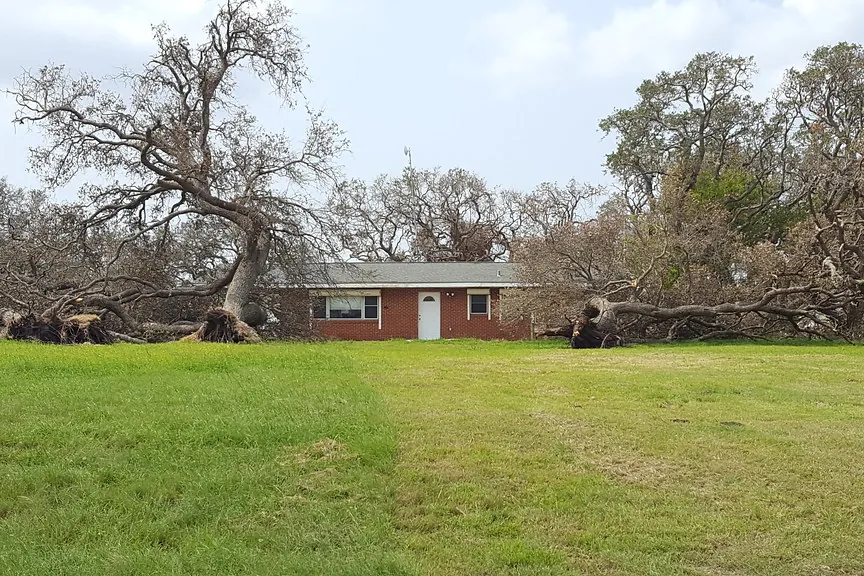
New Hampshire is mostly forest, and a strong nor’easter reminds everyone of it. Wet snow on leafed-out branches, as in the October 2011 storm, or saturated ground and high wind, as in the October 2017 windstorm and the December 2023 rain and wind event, bring down trees across roofs, cars, fences and power lines. The claim that follows is only as good as the record you make in the first few days.
Day one: safety and the wide shots
Stay clear of downed lines and assume any wire is live until the electric utility says otherwise. Once it’s safe, walk the property with your phone and take wide photos from every side of the house before anything moves. A tree lying across a roof tells a clear story; the same roof after the tree crew leaves does not.
- Photograph the tree where it fell, including the root ball or the break point.
- Capture where it struck: roof, gutters, siding, deck, fence, vehicles.
- Take a short video walking the full perimeter, narrating the date and what you see.
- Note the weather: wind direction, snow or rain totals, and the time of the outage if you lost power.
Report the claim to your insurer as soon as you reasonably can, even if you don’t yet know the full extent of the damage. After a widespread storm, adjusters may be booked for weeks, and an early claim number gets you into the queue. Write down the name of everyone you speak with, the date and what they told you. If the adjuster gives you instructions about removal or temporary repairs, ask for them by email so there is no confusion later about what was approved.
Getting the tree off without losing the evidence
You’ll usually need to act before an adjuster can visit, and most policies expect reasonable steps to prevent further damage. That’s fine — just document as you go.
- Ask the tree service to photograph the removal in stages, or film it yourself from a safe distance.
- Get an itemized invoice showing crane time, crew hours and debris hauling. Tree removal and debris coverage often carry their own sublimits, and the details help.
- Keep a section of the trunk if decay or a pre-existing defect could come up. A clean break through healthy wood supports a storm loss.
- Tarp and board up immediately, and keep those receipts too.
The damage you won’t see until later
Big impacts hide smaller ones. Over the next few weeks, look for:
- Cracked rafters or sheathing in the attic below the impact point.
- Drywall cracks, sticking doors or windows that no longer close square.
- Lifted or creased shingles on slopes the tree never touched, caused by the same wind.
- Water stains that appear only during the next heavy rain.
- Damage to the service mast, chimney flashing or a detached garage.
Report new findings to the insurer in writing as soon as you spot them. A supplement for hidden damage is easier to support when you can show you raised it promptly.
How a falling-tree estimate gets trimmed
Insurer estimates on tree claims are often too narrow. Common gaps include a roof repaired only where the trunk landed when the surrounding shingles won’t match, framing repairs priced as patches when an engineer would call for sistering or replacement, interior finishes skipped, and no allowance for a general contractor when several trades are needed. Tree and debris charges are sometimes cut to the policy sublimit without checking whether the tree also damaged a covered structure, which can change how removal is handled under many forms.
Turning records into a claim file
Put everything in one folder: photos by date, the tree service invoice, mitigation receipts, your contractor’s estimate and every letter from the insurer. A simple log of who you spoke with and when goes a long way. If the insurer’s numbers still fall short, our falling tree claim appraisal and wind and microburst appraisal services can review the file. For the bigger picture, see how appraisal works in New Hampshire.