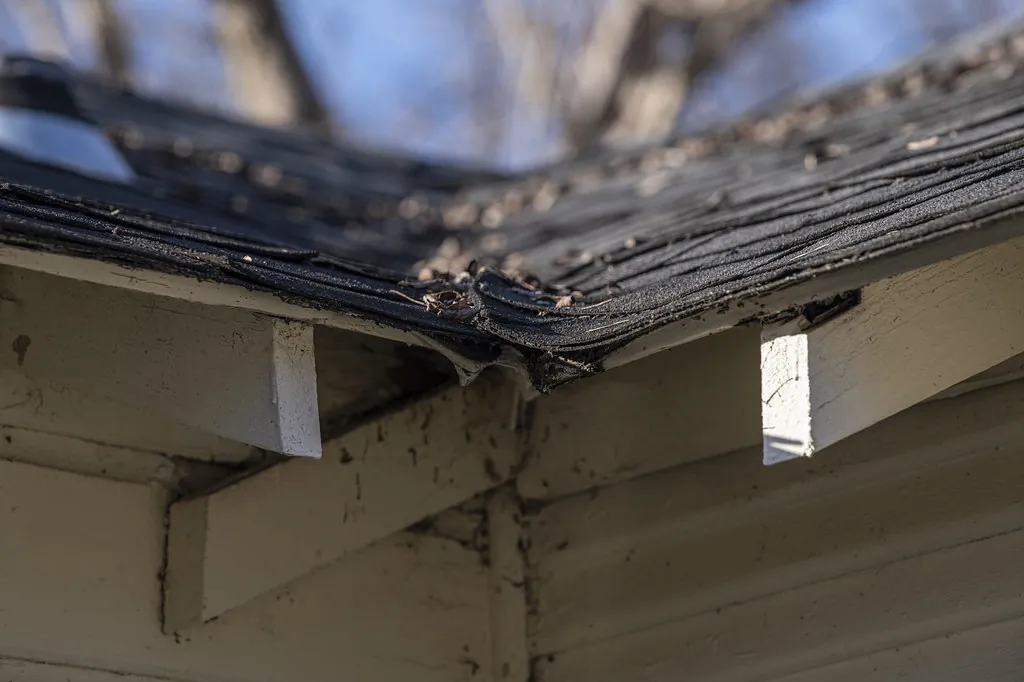
A hailstorm crosses the Merrimack Valley, a microburst lifts shingles in Nashua, or a winter of ice dams finishes off an aging roof in Keene. The insurer accepts the claim, the estimate says one number, and the check says something much smaller. In most cases the difference is depreciation, and on many policies part of it is only being held back, not taken away.
Replacement cost, actual cash value and the gap between them
Most estimates show three figures for every line:
- Replacement cost value (RCV): what it costs to replace the roof with materials of like kind and quality today.
- Depreciation: a reduction for age, wear and condition.
- Actual cash value (ACV): RCV minus depreciation.
On a replacement cost policy, insurers commonly pay ACV first, minus the deductible. The depreciation that can be recovered — the holdback — is paid once you complete the repair and send proof. On an ACV-only policy, or a roof endorsement that settles roofs at actual cash value, the depreciation may not come back at all. Check your declarations page and endorsements to see which you have.
An illustrative roof claim, start to finish
The figures below are illustrative only; your policy, roof and prices will differ.
| Item | Illustrative amount |
|---|---|
| Replacement cost of the roof | $18,000 |
| Depreciation (roof judged 12 of 25 years old) | −$8,640 |
| Actual cash value | $9,360 |
| Deductible | −$1,000 |
| First payment | $8,360 |
| Holdback released after repairs, if recoverable | $8,640 |
Notice that the deductible comes out of the first payment, not the holdback, under the way many insurers handle it. If you carry a percentage deductible rather than a flat one, the amount can be much larger than you expect; our percent deductible converter shows it in dollars.
In this illustrative case the owner needs to fund the work up front and collect the holdback later. Our depreciation and holdback planner runs the same math on your figures.
Where depreciation deserves a second look
Depreciation is a judgment call, and it is often worth questioning:
- Roof age. Is the age right? Permit records, invoices or a prior inspection can settle it.
- Expected life. Architectural shingles, metal and slate don’t share one lifespan, and a 20-year assumption may be too short.
- Condition. A well-kept roof on a sheltered slope shouldn’t be treated like one at the end of its life.
- Labor. Whether labor can be depreciated depends on the policy wording and the law; ask a New Hampshire attorney if it’s a large number on your claim.
- Non-recoverable labels. Make sure items aren’t marked non-recoverable on a replacement cost policy without reason.
Getting the second check
Most policies require you to complete repairs within a stated period after the loss or the payment, and to notify the insurer. Read the replacement cost provision for the exact window — it can be shorter than you’d expect. Then:
- Sign a contract with your roofer that matches the approved scope, or document any differences.
- Photograph the work in progress, including decking, underlayment and ice and water shield.
- Send the final invoice, proof of payment and completion photos to the adjuster.
- Ask for any supplements for hidden damage found during tear-off before the job closes.
Common holdback traps
A few situations catch New Hampshire homeowners off guard. A roofer who offers to “absorb” the deductible creates problems you don’t want; the deductible is yours to pay. If your contractor finishes the job for less than the approved replacement cost, many insurers release only what was actually spent. And if you decide not to replace the roof at all, the holdback on a replacement cost policy usually stays with the insurer. If you plan to sell the house or change the roofing material, ask the adjuster in writing how that affects the release before work begins.
When the dispute is about the numbers
If the insurer’s depreciation, quantities or pricing still look wrong after you’ve asked for a correction, the appraisal clause can settle the amount of loss — including how replacement cost and depreciation are split. Our roof and hail appraisal service reviews the file first, and the guide to reading your insurer’s estimate walks through what to check.